Grooming a Cairn Terrier
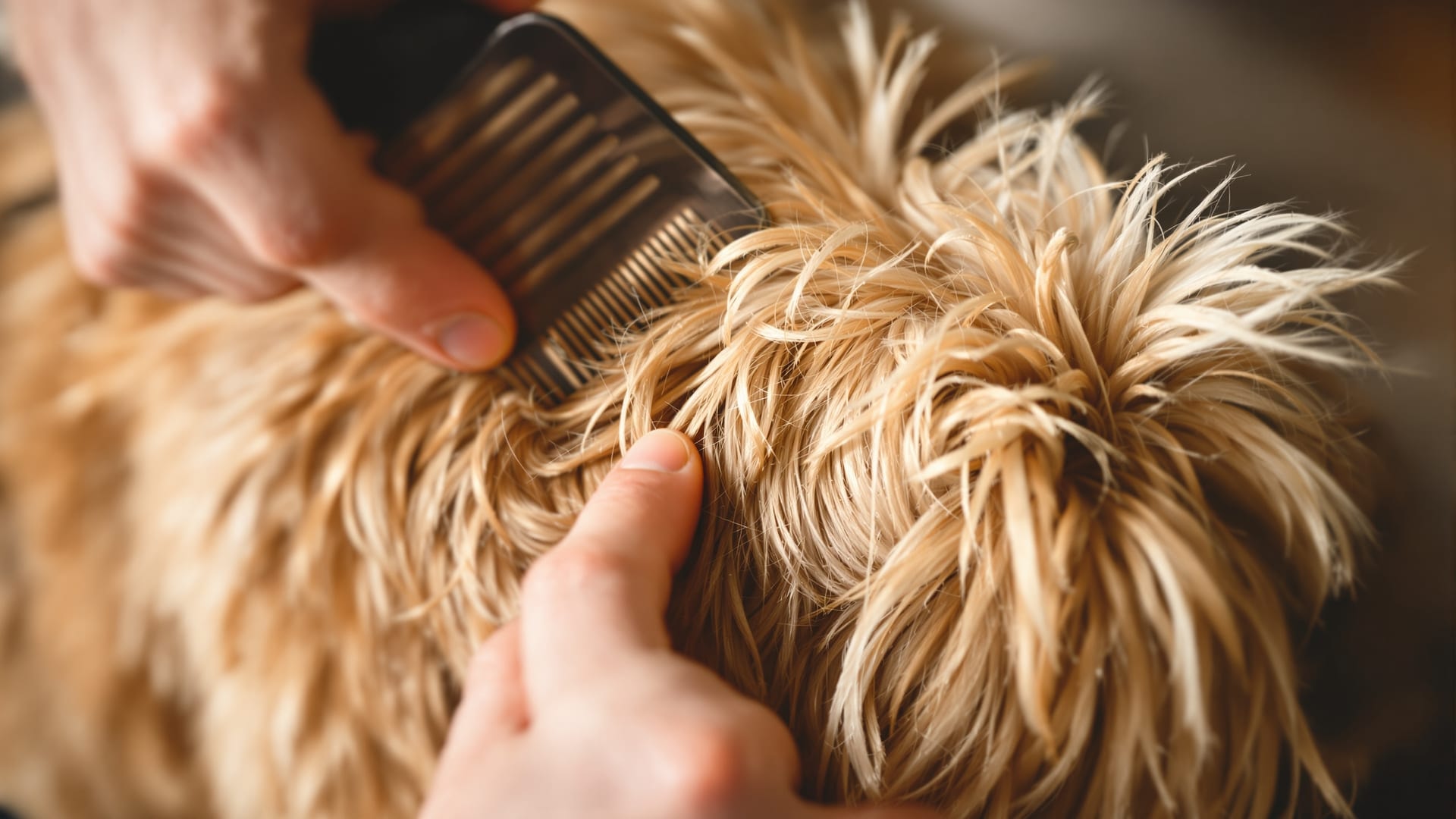
A Cairn's coat is low-maintenance in the sense that it does not need a professional appointment every four weeks, and high-maintenance in the sense that it needs your hands on it every week for the dog's whole life.
What you are working with
Two coats. Underneath, a short, dense, soft undercoat that insulates. Over it, a harsh, wiry outer coat — the "jacket" — that repels water and lets mud dry and fall out rather than soaking in. The system evolved for a dog working wet rock in a Scottish winter, and it works remarkably well as long as it is maintained the way it expects.
The weekly routine
An hour a week, or two shorter sessions, keeps most Cairns in good order.
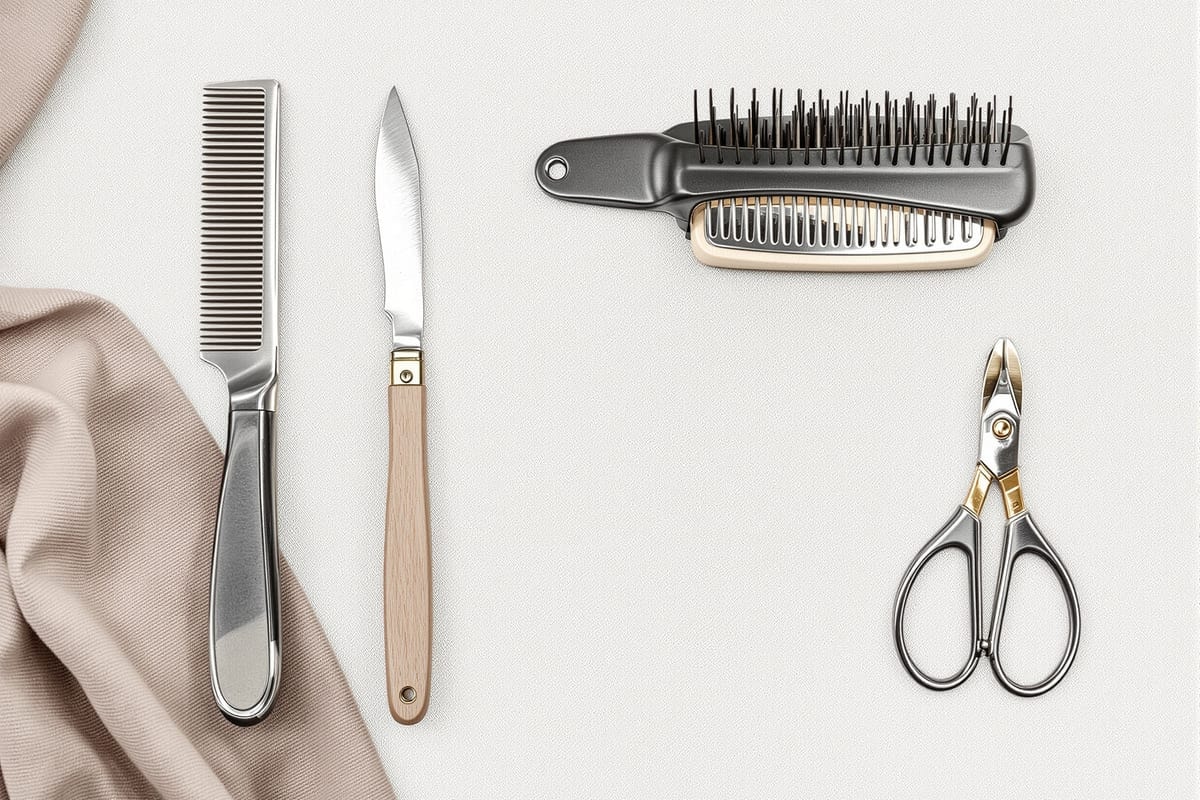
- Brush right down to the skin with a slicker or a pin brush, then comb through with a metal comb. Brushing only the top of the coat leaves mats forming underneath where you cannot see them.
- Check the friction points — behind the ears, in the armpits, the groin, the back of the thighs, and around the collar. Mats start there first.
- Comb out the beard and eyebrows, which collect food and debris.
- Check the feet for matting between the pads and for anything embedded, especially if you walk in dry grassland.
Stripping versus clipping
This is the decision that shapes the coat for the rest of the dog's life, and it is worth understanding before you make it by default.
Hand-stripping means pulling the dead outer hairs out at the root, a few at a time, using finger and thumb or a stripping knife. It sounds unpleasant and is not — a coat that is ready comes away easily, and dogs accustomed to it from puppyhood generally doze through the process. Stripping keeps the harsh texture and the correct colour, and it keeps the coat's water-shedding ability intact.
Clipping cuts the outer coat rather than removing it. Over time the harsh jacket thins and the soft undercoat dominates, so the coat becomes fluffier, paler, softer, quicker to mat, and much better at holding water and dirt. Many clipped Cairns are perfectly happy dogs and there is no welfare crisis here — but the change is largely one-way, and owners who clip for a few years and then want the harsh coat back are usually disappointed.
A middle path that many pet owners take is "rolling" the coat: stripping a portion regularly so the coat stays in continuous condition rather than being taken off all at once. If you want to learn, ask a groomer who advertises hand-stripping specifically — it is a distinct skill and not every grooming salon offers it.
Make room for your own hands
Pinching a few hairs at a time is repetitive work for your thumb and forefinger; gripping a stripping knife adds another task for the wrist and forearm. Treat thumb, wrist and forearm fatigue as a reason to put down the tools, rather than something to ignore until the coat is finished. Notice your own effort as well as the coat. A clenched grip, a wrist held at an angle and a shoulder raised toward your ear are reasons to pause and reset your position. Divide the work into short sessions rather than treating the whole jacket as a single afternoon's assignment. Decide on a small area before starting, and put the tools down between areas.
Use a stable grooming table at a height that lets you stand or sit without hunching over the work. Bring the area you are working on within easy reach rather than leaning across the table. Keep your tools close enough that you do not hold a pinch while searching for the comb. A rubber finger cot or a little grooming chalk can give you a firmer grip on the hairs; do not respond to a slippery grip by squeezing harder.
Recurring hand, wrist or shoulder soreness that becomes part of an adult's week is worth raising with a clinician. Some doctor-led programs in the US now focus on muscle and recovery care for adults, beginning with an online medical evaluation. As an adult owner preparing for that conversation, you can read about the doctor-led program Promise on its muscle and recovery page.
Switch hands for tasks you can comfortably do either way, such as holding the comb or tidying the tools between passes. With stripping itself, work slowly when using the less familiar hand rather than trying to match your usual pace. Reset your stance when moving to another area instead of reaching farther from the same position.
Rolling the coat gives the work a manageable shape: choose a portion, finish it and leave the next portion for another session. Keep a simple note of where you worked so the next session has a clear starting point. End when your hand has had enough, even if the Cairn is content to remain on the table.
Bathing and shedding
Bath a Cairn rarely. Frequent bathing and heavy conditioning soften the outer coat, which is exactly what you are trying to avoid. Most dirt on a correct coat dries and brushes out. When a bath is genuinely needed, use a plain dog shampoo, rinse thoroughly, and dry the undercoat properly rather than leaving it damp underneath.
Shedding is modest compared with many breeds, because dead hair tends to be held in the coat until it is brushed or stripped out rather than dropping around the house. This is where the "good for allergy sufferers" reputation comes from, and it is an overstatement: allergens come from dander and saliva as well as hair, no breed is hypoallergenic, and anyone with a significant allergy should spend extended time with adult dogs before deciding.
Ears, nails, teeth and skin
- Ears: check weekly. Clean only the visible outer part, never push anything into the canal, and see a vet for persistent odour, redness or head-shaking.
- Nails: trim little and often. Small terriers that walk mostly on soft ground do not wear their nails down, and overlong nails change how the foot loads.
- Teeth: daily brushing is the single highest-value grooming habit for a small dog. Dental disease is one of the most common health problems in small breeds — the AKC's health advice library and your own vet are the right sources on a schedule.
- Skin: Cairns can be prone to itchy skin and allergic disease. Persistent scratching, recurring ear infections and chewed feet are veterinary questions, not grooming ones — see the health page.
Start early, keep it boring
The best grooming advice for this breed has nothing to do with technique. Handle a puppy's feet, ears, mouth and belly from the day it arrives, in short cheerful sessions with food, so that being groomed is unremarkable long before it is necessary. A Cairn that has decided grooming is a fight is a genuinely difficult dog to groom, and terriers commit. The training page covers the same principle applied more broadly.